.jfif)
.jfif)

.jfif)

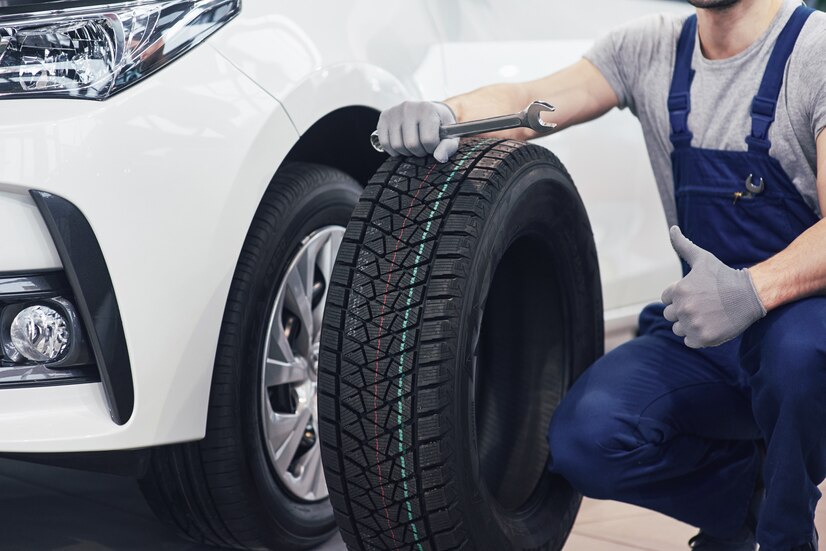
The Importance of New Tires for Your Vehicle’s Safety and Performance
The Importance of New Tires for Your Vehicle’s Safety and Performance
When it comes to vehicle maintenance, tires are often overlooked. However, the condition of your tires is crucial to the overall safety, performance, and longevity of your vehicle. Whether you're planning a long road trip or just commuting to work, new tires can make all the difference in your driving experience. Here’s why investing in new tires is so important:
1. Enhanced Safety
The primary role of your tires is to maintain a safe connection between your vehicle and the road. Tires that are worn out, damaged, or improperly inflated can significantly reduce your car’s traction, especially in wet or slippery conditions. This can lead to dangerous driving situations such as hydroplaning or losing control of the vehicle. New tires ensure better grip, shorter stopping distances, and more reliable handling.
2. Improved Performance
New tires are designed to optimize your vehicle's performance. They provide better handling, smoother rides, and improved fuel efficiency. The tread design of new tires is specifically engineered to offer maximum traction and stability, allowing for precise steering and more confident cornering. Whether you’re driving on dry roads or in rainy or snowy conditions, new tires help your vehicle perform at its best.
3. Better Fuel Efficiency
Old or worn-out tires can cause more rolling resistance, which forces your engine to work harder to move the vehicle forward. This leads to higher fuel consumption. On the other hand, new tires, with their proper tread depth and optimal design, reduce rolling resistance and improve your vehicle’s fuel efficiency. If you’re looking to save money on gas in the long run, investing in new tires is a step in the right direction.
4. Longer Lifespan of Your Vehicle
New tires not only improve your car’s performance, but they also help preserve other vital components. Worn tires can cause uneven wear and tear on other parts of your car, such as suspension systems and brakes. With new tires, these parts experience less strain, extending their life and preventing costly repairs. By replacing old tires, you’re investing in the overall health and longevity of your vehicle.
5. Optimal Ride Comfort
A vehicle with new tires offers a much more comfortable ride compared to one with old, worn tires. The tread pattern and rubber compound of new tires are engineered to absorb shock and reduce road noise. Whether you’re driving on highways or bumpy roads, new tires will make your drive smoother and more enjoyable.
6. Prevention of Expensive Repairs
Driving with old tires increases the risk of tire blowouts or flat tires, which can be dangerous and lead to costly repairs or even accidents. Replacing tires before they reach this point can prevent emergencies and save you from the high costs of roadside assistance or damage to other vehicle components caused by tire failures.
Conclusion:
New tires are essential for the safety, performance, and efficiency of your vehicle. They play a significant role in maintaining your car’s handling, fuel efficiency, and comfort. Moreover, they are a preventive measure to avoid costly repairs and accidents caused by tire failure. Regularly check your tire condition and replace them when needed. Investing in high-quality new tires is one of the best ways to ensure your vehicle runs smoothly and safely for years to come.
When it’s time for new tires, be sure to consult a trusted tire retailer or mechanic who can guide you in choosing the best tires for your car’s make and model, driving conditions, and budget.